How to Start a Business in Puerto Rico

Welcome to the world of entrepreneurship in Puerto Rico. You are about to embark on a journey that combines the island’s rich cultural heritage with a thriving business environment. Puerto Rico offers a unique landscape for both local and international entrepreneurs. Whether you’re attracted by the tropical climate, strategic location, or growing economic opportunities, this region has much to offer.

Starting a business in Puerto Rico requires a deep understanding of the local market dynamics, regulatory environment, and cultural nuances. To help you with this, we have created a comprehensive guide titled “How to Start a Business in Puerto Rico.” It is designed to walk you through the essential steps, from initial research and legal procedures to effective marketing strategies, including the powerful realm of billboard advertising. With each step, you will gain insights and practical advice to navigate the complexities of setting up your business in this promising region.

Our goal is to provide you with a friendly yet expert guide that makes the business setup process as smooth and successful as possible. Whether you’re looking to open a quaint café in the heart of San Juan, a boutique resort along the coastline, or a tech startup that leverages local innovations, this guide will equip you with the knowledge you need to start your business journey with confidence. Let’s dive into the details.

How-to-Start-a-Business-in-Puerto-Rico

Step 1: Conduct Market Research

Embarking on a business venture in Puerto Rico begins with one critical step: market research. Understanding the local consumer behavior, economic trends, and competitive landscape can dramatically increase your chances of success. Here’s how you can start your market research effectively:

  • Identify Your Target Market: Define who your customers are. Are they local residents, tourists, or perhaps businesses in a specific sector? Understanding your target audience’s preferences, buying habits, and needs will help tailor your products and services.
  • Analyze Industry Trends: Look into the broader industry trends within Puerto Rico. How has the economic climate affected this industry? Are there emerging sectors that might offer opportunities? Resources like the Puerto Rico Trade and Export Company provide insights and statistics that are invaluable.
  • Competitive Analysis: Identify your main competitors. What are they doing well? Where could they improve? By analyzing your competition, you can find a niche or service not currently offered that could differentiate your business.
  • Customer Surveys and Feedback: If possible, gather feedback directly from potential customers. This can be through online surveys, focus groups, or informal conversations. Their insights will provide a direct line to what your target market desires.
  • Utilize Local Resources: Make use of local market research firms and online databases to gather data about your industry. The Puerto Rico Chamber of Commerce and the United States Census Bureau are excellent starting points for demographic and economic data.

By meticulously analyzing the market, you will not only understand where your business fits within the local ecosystem but also gauge potential challenges and opportunities. This foundational knowledge is essential as you move forward with setting up your business in Puerto Rico.


Step 2: Choose the Right Business Structure

Choosing the appropriate business structure is pivotal as it influences everything from your day-to-day operations to tax obligations, and even your personal liability. In Puerto Rico, you have several options to consider, each with its own set of advantages and disadvantages:

  • Sole Proprietorship: This is the simplest form of business structure, easy to set up and manage. Ideal for small, low-risk businesses, a sole proprietorship means that the business liabilities are treated as your personal liabilities.
  • Partnership: If you’re considering a business with one or more partners, this might be the way to go. There are two types in Puerto Rico: limited partnerships (LP) and general partnerships (GP). While partnerships offer the benefit of shared responsibility, they also require clear agreements to manage risk.
  • Corporation (Corp.): A corporation is a more complex structure but provides significant advantages in terms of liability protection and potential tax benefits. In Puerto Rico, corporations are subject to the corporate tax rate and must adhere to stringent regulatory requirements.
  • Limited Liability Company (LLC): Combining the benefits of a corporation and a partnership, an LLC in Puerto Rico offers flexibility and protects its members from personal liability. This structure is popular among foreign investors and entrepreneurs due to its protective features and simplicity.

Legal Requirements for Registering Your Business:

  • Choose a Business Name: Ensure your business name is unique and register it with the Puerto Rico State Department.
  • Register for Permits and Licenses: Depending on your business type, you may need specific permits and licenses to operate legally in Puerto Rico.
  • Tax Registrations: Register for the necessary state and federal taxes. You will need an Employer Identification Number (EIN), which can be obtained from the IRS.

Selecting the right business structure is crucial for your long-term success and legal compliance. Each type has specific implications for your liability, tax obligations, and operational flexibility. Carefully consider which structure aligns best with your business goals and consult with a legal expert to navigate the complexities of Puerto Rican law. This careful planning will lay a solid foundation for your business and help avoid significant hurdles in the future.


Step 3: Register Your Business

Registering your business is a fundamental in how to start a Business in Puerto Rico. This process solidifies your presence in the local market and involves several key actions:

Documentation and Registration

  • Register Your Business Name: Before you can register your business, you must ensure that your business name is not already in use. Check with the Puerto Rico State Department’s Commercial Registry to see if your desired name is available.
  • Obtain an Employer Identification Number (EIN): Essential for all businesses, the EIN is your federal tax ID. You can apply for it through the IRS website. This number is required for tax filings, opening a bank account, and hiring employees.
  • File Organization Documents: Depending on your business structure, you will need to file different documents:
    • Corporations must file articles of incorporation.
    • LLCs file articles of organization.
    • Partnerships require a partnership agreement.

Where to File

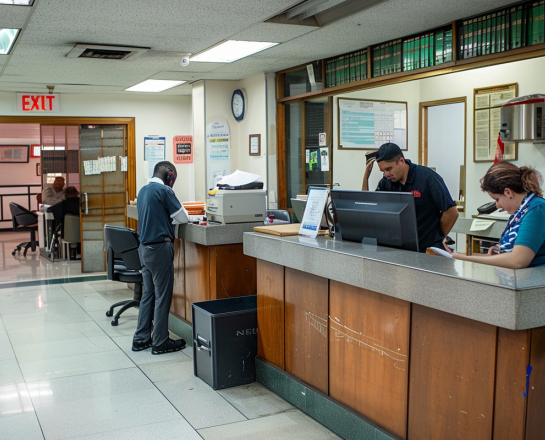
Documents can be filed online via the Puerto Rico State Department’s portal or in person at their office. It’s important to ensure that all information is accurate to avoid delays.

Cost and Time

  • Fees: The cost to register a business in Puerto Rico varies depending on the business structure and the type of filings required. Typically, fees range from $150 to $500.
  • Timeframe: The registration process usually takes between 4 to 6 weeks. However, this can vary based on the complexity of your business structure and the completeness of your submitted documents.

Other Legal Considerations

  • Licenses and Permits: Identify any specific licenses or permits your business may require based on its activities. Common examples include health department permits for restaurants or environmental permits for construction companies.
  • Local Zoning Laws: Check local zoning regulations to ensure that your business location is in an area zoned for your type of business. This is crucial for avoiding future legal complications.
  • Annual Reports: Most businesses in Puerto Rico are required to file annual reports with the Puerto Rico State Department. These reports keep your business in good standing and update the state on any significant changes to your business.

Completing these registration steps is not just a legal formality; it also provides your business with credibility and legitimacy in the eyes of customers, suppliers, and financial institutions. Make sure to follow through meticulously to set a strong foundation for your business operations in Puerto Rico.


Step 4: Understand Tax Obligations

Proper management of tax obligations is critical for your business success in Puerto Rico. Familiarizing yourself with local and federal tax requirements will help you avoid legal issues and ensure financial health. Here’s what you need to know about the tax landscape for businesses in Puerto Rico:

Local Tax Responsibilities

  • Puerto Rico Sales and Use Tax (IVU): Similar to sales tax, IVU is applicable to most goods and services sold within Puerto Rico. The current standard rate is 11.5%, with a reduced rate for certain items such as unprocessed foods.
  • Corporate Income Tax: Companies operating in Puerto Rico are subject to corporate income tax on their earnings. The rate varies depending on your business’s income level but generally ranges from 20% to 30%.
  • Municipal Taxes: In addition to state taxes, businesses may also be subject to taxes imposed by the local municipalities. These can include property taxes, business license taxes, and more.

Federal Taxes

  • U.S. Federal Income Tax: Despite being a territory, residents and businesses in Puerto Rico generally do not pay U.S. federal income taxes on income sourced within Puerto Rico; however, any income sourced from the U.S. must be declared and could be subject to taxation.
  • FICA and Medicare: Businesses are required to contribute to Social Security and Medicare, just as in the mainland United States. This involves withholding the appropriate amounts from employee wages and matching those contributions.

Staying Compliant

  • Regular Updates: Tax laws can change, so it’s important to stay informed. Consulting with a tax advisor who is familiar with both Puerto Rican and U.S. tax laws is advisable.
  • Filing Deadlines: Be aware of and comply with all filing deadlines to avoid penalties and fines. This includes monthly, quarterly, and annual tax filings, depending on your business activities.
  • Record Keeping: Maintain meticulous records of all financial transactions, tax filings, and relevant business activities. Good record keeping not only helps in staying compliant but also in managing your business effectively and preparing for audits.

Understanding and managing your tax obligations is essential for operating a successful business in Puerto Rico. By ensuring compliance with both local and federal tax laws, you protect your business from legal complications and build its reputation as a trustworthy entity.
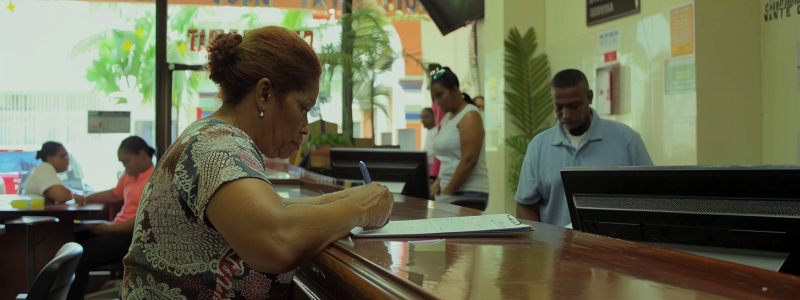
Puerto-Rico-Business-Registration

Step 5: Secure Financing

Securing adequate financing is a crucial step in how to start a Business in Puerto Rico. Whether you need initial startup capital, funds for expansion, or cash to cover operational costs, here are some avenues you can explore to secure the necessary funds:

Types of Financing Available

  • Bank Loans: One of the most traditional forms of financing, bank loans can provide significant amounts of capital. You’ll need to present a solid business plan and good credit history to qualify. Local banks in Puerto Rico, such as Banco Popular de Puerto Rico and FirstBank, offer various business loans with competitive terms.
  • Government Grants and Subsidies: The Puerto Rican government offers various grants and subsidies through agencies like the Economic Development Bank for Puerto Rico. These are especially targeted at sectors such as technology, agriculture, and tourism.
  • Venture Capital: For businesses with high growth potential, particularly in industries like tech, venture capital could be a viable option. Local venture capital firms provide funding in exchange for equity in your company.
  • Angel Investors: Angel investors are typically high-net-worth individuals looking to invest in promising business ventures in exchange for equity. Networking in local business events and conferences can be a good way to meet potential investors.

Tips for Successful Financing

  • Prepare a Comprehensive Business Plan: This should detail your business idea, market analysis, management structure, and financial projections. A well-prepared business plan is crucial to convince lenders and investors of the viability of your business.
  • Understand the Terms of Financing: Whether it’s a loan or an equity investment, understanding the terms of your financing agreement is critical. Pay special attention to interest rates, repayment schedules, equity stakes, and any other obligations.
  • Build and Maintain Good Credit: Good personal and business credit scores can significantly increase your chances of securing a loan with favorable terms. Regularly check your credit report and work on improving any negative factors.
  • Explore Multiple Options: Don’t limit yourself to one type of financing. Explore various sources to determine which one best suits your business needs and offers the most favorable terms.

Finalizing Your Financial Plan

Once you have identified potential sources of funding, prioritize those that align best with your business goals and financial needs. It might also be beneficial to combine different types of financing to cover various aspects of your business expenses.

Securing the right financing involves careful planning and negotiation but is essential for the health and growth of your business. By exploring all available options and preparing thoroughly, you will significantly increase your chances of securing the necessary funding to launch and expand your business in Puerto Rico successfully.


Step 6: Set Up Your Business Location

Choosing the right location is crucial for the success of your business in Puerto Rico. This decision impacts your operational efficiency, branding, customer traffic, and overall business growth. Here are key considerations when setting up your business location:

Factors to Consider

  • Target Market Proximity: Your location should be easily accessible to your target market. Consider the demographics and buying behaviors of the area to ensure alignment with your business offerings.
  • Visibility and Accessibility: A location that is visible and easily accessible to foot or vehicle traffic can significantly increase customer visits. Look for areas with good infrastructure, public transportation access, and ample parking.
  • Zoning Laws: Ensure the chosen location complies with local zoning laws. These laws determine what types of businesses can operate in certain areas. Check with the local municipality to avoid any legal issues that might arise from non-compliance.
  • Competition: Evaluate the competitive landscape of the area. Being too close to competitors can be challenging unless you have a clear differentiation strategy.
  • Cost of Real Estate: The cost of leasing or buying a property varies widely across Puerto Rico. Consider your budget and financial forecasts to ensure the location cost is sustainable for your business model.

Steps to Set Up Your Business Location

  1. Research Potential Locations: Identify several potential locations based on the factors mentioned above. Conduct thorough research, including site visits and discussions with other local business owners.
  2. Evaluate Lease Agreements or Purchase Terms: Carefully review all terms in lease agreements or purchase contracts. Consider seeking legal advice to understand all obligations and rights.
  3. Infrastructure Needs: Assess the infrastructure of the potential location. This includes utilities, internet availability, logistics needs, and any modifications required to suit your business operations.
  4. Obtain Necessary Permits and Licenses: Depending on the location and nature of your business, you may need additional permits and licenses specific to that area. This can include signage permits, health department approvals, or special state licenses.
  5. Plan Your Layout and Design: The layout and design of your business should not only reflect your brand but also optimize operational efficiency. Plan for customer flow, employee workspaces, and storage needs.

Finalizing Your Location

Once you have finalized your location, take the time to announce your arrival in the community. This can involve an opening ceremony, special promotions, or community events to generate buzz and build relationships with local residents and other businesses.

Choosing the right location is a strategic decision that requires careful planning and consideration. By taking into account these key factors and following the steps outlined, you can establish a business location in Puerto Rico that supports your company’s growth and market penetration objectives.


Step 7: Marketing Your Business

Effective marketing is crucial for any business aiming to succeed, especially in the competitive landscape of Puerto Rico. While various marketing strategies can elevate your brand, incorporating billboard advertising into your marketing mix can significantly enhance your visibility and customer engagement. Here, we emphasize the unparalleled benefits of billboard advertising, specifically through a leading company in the sector, bMedia.

General Marketing Strategies

  • Develop a Strong Brand Identity: Establish a recognizable brand identity that reflects your business ethos and appeals to your target audience. This includes having a compelling logo, consistent themes, and a coherent message that resonates with your customers.
  • Leverage Digital Marketing: Use digital platforms effectively—optimize your website for SEO, engage on social media, and send out targeted emails. These methods help broaden your reach and interact directly with potential customers.
  • Local Media Engagement: Gain local media exposure by featuring in Puerto Rican newspapers, radio, and TV channels. This traditional form of media still holds significant sway and can boost your reputation within local communities.
  • Community Involvement: Increase your local presence by participating in or sponsoring community events. This not only enhances visibility but also helps in fostering community relationships, crucial for business growth.

Advertising with bMedia: Benefits

  • Strategic High-Traffic Locations: bMedia offers premium billboard placements in some of the most frequented areas across Puerto Rico, ensuring your advertisements get maximum exposure to your target demographic.
  • Consistent Brand Exposure: Billboards capture the attention of a wide audience repeatedly, which is vital for brand recall. With bMedia’s strategically located billboards, your business gains continuous exposure, helping to keep you top-of-mind among potential customers.
  • Tailored Advertising Solutions: bMedia specializes in creating tailored advertising solutions that resonate with specific audiences. This personalized approach ensures that your marketing message is not only seen but also impactful.

Tips for Effective Billboard Advertising

  • Choosing the Right Locations: With bMedia’s extensive network, select locations that best meet your demographic needs for optimal visibility and impact.
  • Designing Impactful Billboards: Collaborate with bMedia’s experienced designers to create visually striking and memorable billboards. An effective billboard is visually appealing and delivers its message clearly and quickly to those on the move.
  • Regular Campaign Evaluations: bMedia provides valuable analytics on the performance of your billboards, allowing you to measure effectiveness and make informed adjustments to your marketing strategy.

Cost-Effective Advertising

  • Transparent Pricing: bMedia offers competitive pricing models that cater to various budget sizes, ensuring that you can benefit from high-quality billboard advertising without compromising other marketing initiatives.
  • Measurable Returns: Track the success of your billboard campaigns with bMedia’s advanced tracking tools. This data helps you understand your return on investment and refine your strategies for even better results.

Puerto-Rico-Business-Incentives

A Final Word

Integrating billboard advertising into your marketing strategy can significantly increase your business’s market presence in Puerto Rico. By partnering with bMedia, you leverage their expertise, strategic placement, and customized advertising solutions to not only reach but also resonate with your target audience. Remember, successful marketing is about making lasting impressions and building relationships—bMedia’s billboard advertising can help you achieve just that. Let your brand be seen and remembered with bMedia.


Analysis of Billboard Advertising vs. Other Media

In today’s constantly changing advertising world, business owners often face the dilemma of selecting the most effective method to advertise their products or services. The available options range from digital platforms to traditional print media. To make an informed decision, it is essential to understand each medium’s strengths and weaknesses thoroughly. This is where an in-depth “Analysis of Billboard Advertising vs. Other Media” can prove invaluable.

Billboard advertising, a stalwart of traditional marketing, offers unique advantages that can complement or even outshine newer media in certain contexts. As we delve into this analysis, we aim to equip you, the business owner, with the knowledge needed to discern whether billboard advertising aligns with your marketing objectives and budget.

Our journey through this comparison will highlight key factors such as cost, reach, engagement, and overall effectiveness. By considering these aspects, you can make a strategic decision that elevates your brand’s visibility and maximizes your return on investment.

Stay as we explore the nuances of billboard advertising and how it stacks up against other media options. Whether you’re a seasoned marketer or new to the advertising game, this analysis will give you a clear, expert perspective on making your next campaign a resounding success.

Understanding Billboard Advertising

When we talk about billboard advertising, we’re referring to one of the oldest forms of marketing that continues to hold its ground in the digital age. This section aims to shed light on what billboard advertising entails, its key benefits, and when it’s most effective for businesses like yours.

  • Definition and Types: Billboard advertising is a form of outdoor advertising that uses large-scale print advertisements to capture the attention of passersby in high-traffic areas. There are several types, including traditional billboards, digital billboards, and mobile billboards, each offering unique advantages depending on your campaign goals.

Key Benefits

  • High Visibility: Billboards are placed in strategic locations, offering high visibility to a diverse audience. This ensures that your message reaches a wide range of potential customers.
  • Brand Awareness: The sheer size and presence of billboards make them excellent tools for building brand awareness. They provide repeated exposure to your advertisement, helping your brand stay top of mind.
  • Targeted Advertising: While digital platforms offer targeted advertising based on user data, billboards can target geographic locations, reaching potential customers in specific areas where your service or product is most relevant.

Ideal Scenarios for Effectiveness:

  • Launching New Products or Services: When introducing a new product or service, billboards can create a significant impact, quickly spreading the word across a broad audience.
  • Promoting Time-Sensitive Events: For events or sales with a specific timeframe, billboards can effectively communicate your message to a large audience in a short period.
  • Enhancing Local Presence: For businesses looking to strengthen their presence in a particular locality, billboards can reinforce local brand recognition and customer loyalty.

Understanding these aspects of billboard advertising is crucial for business owners contemplating this traditional yet impactful advertising medium. By aligning your advertising strategy with billboards’ unique benefits, you can leverage their potential to achieve your marketing objectives effectively.

Comparing Billboard Advertising with Digital Media

In the digital era, advertising strategies have evolved to include a myriad of online platforms, from social media to pay-per-click (PPC) campaigns. However, understanding how billboard advertising measures up against these digital alternatives is crucial for making informed decisions. Let’s explore the pros and cons of billboard advertising versus digital media, focusing on cost-effectiveness and audience reach.

Overview of Digital Media Advertising

  • Social Media: Platforms like Facebook, Instagram, and LinkedIn offer targeted advertising based on user demographics, interests, and behaviors.
  • PPC: Pay-per-click advertising, often associated with search engines like Google, allows businesses to pay only when a user clicks on their ad.
  • Email Marketing: Directly reaching out to potential or current customers through email, tailored to their interests or past behaviors.

Pros and Cons

  • Billboard Advertising:
    • Pros: High visibility, broad geographic reach, and continuous exposure to a wide audience.
    • Cons: Less targeted compared to digital ads, fixed location, and potentially higher upfront costs.
  • Digital Media:
    • Pros: Highly targeted, measurable results, and flexible budgets. Allows for real-time adjustments based on ad performance.
    • Cons: Can be easily overlooked due to ad saturation online, requires constant optimization, and potential privacy concerns for users.

Cost-effectiveness and Audience Reach Comparison:

  • Billboard Advertising: Offers a one-time cost for a fixed period, providing continuous exposure to anyone passing by the billboard. Ideal for reaching a broad audience in specific locations.
  • Digital Media: Costs can vary widely based on the campaign’s scale, targeting specifics, and competition for ad space. While potentially more cost-effective for targeting specific demographics, digital campaigns require ongoing investment to maintain visibility and engagement.

For business owners, the choice between billboard and digital media advertising should be guided by your campaign goals, target audience, and budget. If your aim is to build brand awareness in a specific geographic area or to make a bold statement with a new product launch, billboard advertising might offer the visibility and impact you need. Conversely, if your focus is on highly targeted advertising with measurable outcomes and the flexibility to adjust campaigns in real time, digital media advertising could be the more appropriate choice.

Balancing the strengths of both billboard and digital media can often lead to the most effective advertising strategy, leveraging the broad reach and visibility of billboards with the targeted, interactive nature of digital campaigns.


Billboard Advertising vs. Print Media

This “Analysis of Billboard Advertising vs. Other Media” section shows how traditional advertising has long been a staple for businesses looking to reach potential customers. This includes newspapers, magazines, flyers, and brochures. However, as we explore the nuances of billboard advertising compared to print media, it’s essential to understand their distinct characteristics and how they can serve different marketing objectives.

Brief on Print Media Advertising:

  • Newspapers and Magazines: Offer targeted reach within specific interest groups or communities. Ideal for detailed content and local advertising.
  • Flyers and Brochures: Cost-effective for local distribution, providing detailed information about products or services.

Comparison of Longevity, Visibility, and Audience Engagement:

  • Billboard Advertising:
    • Longevity: Billboards typically have a longer display period, ranging from a few weeks to several months, providing sustained visibility.
    • Visibility: High-impact visuals in high-traffic areas ensure that billboards are seen by a wide audience, including those who may not actively seek out your advertisement.
    • Audience Engagement: While billboards excel in capturing attention, they offer limited space for detailed information, focusing instead on brand awareness and call-to-action.
  • Print Media:
    • Longevity: Newspapers and magazines have a shorter lifespan, often read once then discarded.
    • Visibility: Print ads can target specific demographics but require the audience to purchase or subscribe to the medium.
    • Audience Engagement: Offers the opportunity for more detailed information, appealing to readers already interested in the content.

Cost Comparison and Situational Advantages:

  • Billboard Advertising: Generally involves higher upfront costs due to production and space rental. However, it’s highly effective for broad message dissemination and brand visibility in specific geographic areas.
  • Print Media: Costs can vary widely based on circulation, ad size, and the publication’s popularity. It effectively targets niche markets or local communities with detailed messages.

Choosing between billboard and print media advertising hinges on your campaign’s goals, budget, and desired audience. Billboards are unmatched in their ability to make a bold statement and generate widespread brand awareness quickly. In contrast, print media offers a more intimate connection with the audience, suitable for conveying detailed information and reaching specific interest groups.

Integrating both mediums could provide a comprehensive approach for business owners—using billboards for broad visibility and brand awareness, complemented by print ads to delve deeper into the details of your offerings. This strategy ensures that your message not only reaches a wide audience but also engages them on a more personal level.

Billboard Advertising vs. Broadcast Media

When considering the broader spectrum of advertising mediums, broadcast media—encompassing television and radio—presents a dynamic platform for reaching audiences. This section delves into how billboard advertising compares with broadcast media in terms of audience reach, engagement, costs, and selecting the appropriate medium based on campaign goals.

Overview of Broadcast Media

  • Television (TV): Offers a wide reach and the ability to convey messages through visual and auditory elements, making it highly engaging for a diverse audience.
  • Radio: Provides auditory advertising opportunities, ideal for reaching listeners during specific times, such as commute hours, with the advantage of targeting by geographic and demographic factors.

Comparative Analysis on Audience Reach, Engagement, and Costs:

  • Billboard Advertising
    • Audience Reach: Billboards have a constant presence in high-traffic areas, ensuring visibility to a broad, diverse audience.
    • Engagement: While billboards capture attention quickly, the engagement is brief, relying on impactful visuals and succinct messages.
    • Costs: Involves a one-time production cost and a recurring fee for the advertising space, potentially offering a better cost-per-impression due to its continuous exposure.
  • Broadcast Media:
    • Audience Reach: Both TV and radio have extensive reach, with TV offering national exposure and radio providing more localized targeting.
    • Engagement: High, especially with TV, due to the combination of visual and audio elements that can tell a compelling story.
    • Costs: Generally higher, especially for TV, due to production costs and airtime fees. Radio can be more affordable but still requires production and slot booking investment.

Choosing the Right Medium Based on Campaign Goals:

  • Billboard Advertising: Ideal for building brand awareness and promoting location-based or event-specific campaigns. It’s especially effective for businesses seeking to make a visual impact and establish a presence in specific geographic areas.
  • Broadcast Media: Best suited for campaigns aiming to reach a wide audience with engaging stories or messages that require audio-visual elements. TV is perfect for national campaigns, while radio is excellent for local or regional targeting.

B owners must decide between billboard and broadcast media based on their marketing objectives, target audience, and budget. Billboards are an excellent choice for reinforcing brand presence and messaging, due to their constant visibility in chosen locations. On the other hand, broadcast media has a broader reach and dynamic storytelling capabilities, making it a powerful tool to evoke stronger emotional responses and audience engagement.

Maximizing the Impact of Billboard Advertising

For business owners contemplating the integration of billboard advertising into their marketing mix, understanding how to maximize its impact is crucial. This section provides actionable tips for creating effective billboard ads, integrating these with other media for enhanced results, and measuring the success of billboard advertising campaigns.

Tips for Creating Effective Billboard Ads:

  • Keep It Simple: The most impactful billboards feature clear, concise messaging. Aim for a strong, simple visual and limit your text to six words or fewer.
  • Make It Memorable: Use bold, contrasting colors and creative visuals that stand out to make your billboard memorable.
  • Focus on Location: Choose locations that not only offer high traffic but also reach your target demographic effectively.
  • Include a Call-to-Action: Whether it’s a website, phone number, or a social media handle, make sure your call-to-action is easy to remember.

Integrating Billboard Advertising with Other Media

  • Cross-Promotion: Use billboards to complement digital campaigns by echoing the messaging or promotions running on social media, email, or your website. This creates a cohesive brand experience across multiple touchpoints.
  • QR Codes and Hashtags: Incorporate QR codes or hashtags into your billboard design to bridge the gap between offline and online engagement, making it easy for viewers to connect with your brand on digital platforms.
  • Event and Launch Support: Utilize billboards to build anticipation for product launches or events, directing audiences to online channels for more information.

Measuring the Success of Billboard Advertising Campaigns

  • Brand Awareness Surveys: Conduct surveys before and after your billboard campaign to measure changes in brand recognition and perception.
  • Traffic and Sales Analysis: Monitor website traffic, in-store visits, and sales data during the campaign period to identify any spikes that correlate with your billboard advertising.
  • Engagement Metrics: Track engagement on digital platforms if your billboard includes elements like QR codes or hashtags, providing direct insight into the campaign’s digital impact.

Maximizing the impact of billboard advertising requires a blend of creative strategy, thoughtful placement, and integration with other marketing efforts. By focusing on clear, memorable messaging and leveraging the synergy between billboard and digital media, businesses can create powerful, multi-dimensional campaigns that resonate with their target audience.

As we conclude this “Analysis of Billboard Advertising vs. Other Media” remember that the effectiveness of your advertising efforts hinges on aligning your chosen mediums with your overall marketing objectives and audience preferences. With the right approach, billboard advertising can be a key component of a successful, comprehensive marketing strategy, driving visibility, engagement, and ultimately, business growth.

Final Advice

Every advertising medium has its own set of advantages and disadvantages. To decide between billboard advertising and other forms of media, such as digital, print, or broadcast, one must thoroughly comprehend their business’s marketing goals, target audience, and financial restrictions.

Billboard advertising stands out for its ability to offer high visibility, broad geographic reach, and a lasting impression on a wide audience. It builds brand awareness and complements marketing campaigns to establish a strong presence in specific locales or alongside major thoroughfares. However, its effectiveness is maximized when integrated thoughtfully with other advertising mediums, leveraging the detailed targeting of digital media, the storytelling power of broadcast media, and the niche appeal of print media.

Finally, it’s important to remember that the most successful advertising strategies are adaptable, integrated, and aligned with your brand’s core values and objectives. Whether you’re a small local business or a large multinational corporation, incorporating billboard advertising and other media can significantly enhance your marketing efforts and contribute to your overall business success.

Effective Advertising Strategies

For over a century, billboards have remained a popular and effective advertising medium, capturing the attention of countless passersby with their large-scale and prominently displayed ads. Despite the rise of digital advertising, billboards have not only survived but also evolved. These days, billboards are equipped with digital technology and innovative designs that make them even more impactful and relevant than before.

Effective Advertising Strategies rely on understanding the potential of the medium and leveraging it to its fullest. For business owners, billboard advertising presents an unparalleled opportunity to showcase their brand message to a broad audience, ensuring that it stays in their memory. While digital ads come and go, billboards are a physical presence that commands attention and leaves a lasting impression.

Billboard advertising is not just about size; it’s also about strategy. To make the most of billboard advertising, businesses must convey their message effectively, resonate with their target audience, and drive action. Understanding the nuances of billboard advertising is crucial for business owners who want to make a mark in the market. In this regard, we’ll delve deeper and explore how billboards can be a game-changer for businesses, especially in dynamic markets like Puerto Rico.

Effective-Advertising-Strategies

Most Effective Advertising Strategies

In the realm of business, understanding your audience is paramount. The foundation of any effective advertising strategy is built upon the principle of targeting. By honing in on a specific demographic, businesses can tailor their message to resonate more deeply with potential customers. A well-targeted advertisement speaks directly to the viewer’s needs, desires, and aspirations, making it far more impactful than a generic message.

According to an article on Spiceworks, social media profiles offer a significant opportunity for target marketing. Brands can pinpoint customers based on various factors, including their interests, behavior, and demographics. This targeted approach ensures that the advertising message reaches the most relevant audience, increasing the likelihood of engagement and conversion.

However, it’s not just about reaching the right people; it’s about conveying the right message. The essence of effective advertising strategies lies in crafting a message that not only captures attention but also drives action. Whether it’s evoking an emotion, solving a problem, or fulfilling a need, the advertisement should offer tangible value to the viewer.

Moreover, in the ever-evolving landscape of advertising, it’s crucial for businesses to stay updated with the latest trends and technologies. From leveraging data analytics to employing innovative design principles, the strategies that worked a decade ago might not be as effective today. Thus, continuous learning and adaptation are key to ensuring that your advertising efforts yield the desired results.

Benefits of Billboard Advertising in Puerto Rico

Puerto Rico, with its dense population and unique market dynamics, presents a golden opportunity for advertisers. The island, spanning just over 100 miles in length, is home to over 3.5 million people. This concentration results in a significant traffic scenario, especially considering there are over 3 million registered vehicles on the island. While traffic might be a commuter’s nightmare, it’s a dream come true for advertisers. The reason? Billboards.

The severe traffic situation in Puerto Rico offers a plethora of opportunities for advertisers aiming to capture the attention of motorists. In an era where digital advertising is rapidly evolving, traditional forms like billboards remain steadfast. As long as people continue to drive, billboard marketing and other outdoor media will remain an influential platform for advertising.

The main point in such a scenario is to capitalize on the captive audience. Motorists, often looking for distractions during traffic snarls, are more likely to engage with and remember billboard advertisements. This captive audience, combined with the strategic placement of billboards, ensures that the advertising message is not just seen but also makes a lasting impression.

Furthermore, billboard advertising in Puerto Rico offers an inherent demographic control. The majority of the viewers are likely commuters heading to their workplaces, implying they have the financial means to own a vehicle. This ensures that the advertisement reaches an audience that falls within a specific economic demographic, making the message more targeted and effective.

most-effective-advertising-methods

Designing Impactful Billboards

The art of billboard design is a delicate balance between creativity and clarity. While it’s essential to have an eye-catching design, the primary objective remains to convey a message effectively. Given that commuters typically have only 5-10 seconds to read a billboard as they pass by, the design must be concise, clear, and compelling.

The key to effective billboard design is brevity. The human capacity to ingest and remember a message in a fast-paced environment like traffic is limited to about seven words. Overloading a billboard with too much content can dilute the message and reduce its impact. Therefore, brands must be judicious in their choice of words and visuals.

The critical aspect in billboard design lies in understanding the medium’s constraints and strengths. Here are some principles to consider:

  • Simplicity is Key: A clutter-free design with a clear focal point ensures that the message stands out. Avoid the temptation to include too many elements.
  • Bold and Legible Fonts: Choose fonts that are easy to read from a distance. Avoid script or decorative fonts that might be challenging to decipher at high speeds.
  • High-Contrast Colors: Colors play a crucial role in visibility. Opt for colors that contrast well, ensuring that the text stands out against the background.
  • Relevant Imagery: Use images that resonate with the message and the target audience. The imagery should support and enhance the message, not overshadow it.
  • Call to Action: While not always necessary, a clear call to action can guide the viewer on the next steps, whether it’s visiting a website, making a call, or attending an event.

Strategy Marketing: Measuring Effectiveness

In the realm of billboard advertising, understanding the impact of your campaign is paramount. After all, how do you determine if your investment is yielding the desired results? Measuring the effectiveness of billboards is not as straightforward as digital ads where clicks and impressions are easily tracked. However, with the right strategies, one can gauge the success of their billboard campaigns.

According to a detailed article on bMedia Group, there are several methods to measure billboard effectiveness:

  1. Traffic Analysis: It’s essential to understand the traffic surrounding the location of a billboard. Factors such as the number of people or vehicles that pass by daily can provide insights into the potential visibility of your advertisement.
  2. Analytics: If your billboard promotes a unique slogan, catchphrase, or brand name, you can use analytics data scraping methods to analyze how often those terms are searched online. An uptick in searches can indicate increased visibility and interest due to the billboard.
  3. Hashtags: Modern advertising often incorporates hashtags. If your billboard includes a specific hashtag, monitoring its usage on social media platforms can provide insights into the ad’s reach and engagement.
  4. Sales Analytics: A direct correlation often exists between sales and outdoor ads. Monitoring sales or profit benchmarks can help determine if a new billboard ad is driving more customers to your business.
  5. Audience Impact: The daily commute is a significant idle time for many individuals. Billboards strategically placed in high-traffic areas can garner a captive audience, leading to higher brand recognition and recall.

The Role of Local Culture and Context in Billboard Advertising

In the vast world of advertising, understanding the local culture and context is paramount. Effective advertising strategies are not just about reaching a wide audience but resonating with them on a personal and cultural level. Here’s why:

  • Cultural Sensitivity: Every region has its unique cultural nuances, traditions, and values. Respecting and incorporating these into your billboard messages ensures that your ads are not only seen but also felt by the local audience.
  • Localization vs. Globalization: Global campaigns have their merits, but there’s a distinct advantage in tailoring billboard content to local tastes and preferences. It creates a sense of belonging and trust among the local audience.
  • Use of Local Icons and Symbols: Featuring familiar local landmarks, celebrities, or cultural symbols can make billboards more relatable. It’s a subtle nod to the community, indicating that you understand and value their culture.
  • Language and Dialects: Using the local language or specific dialects can significantly enhance the relatability of a billboard. Especially in regions with linguistic diversity, this can make a world of difference.
  • Seasonal and Event-Based Billboards: Leveraging local festivals, holidays, or events can make billboard advertising timely and relevant. For instance, a billboard highlighting a product during a local festival can attract more attention and sales.

most-effective-advertising-strategies

Summary of Effective Advertising Strategies

In the dynamic world of advertising, understanding and implementing effective strategies is crucial. Here’s a concise summary of the key takeaways:

  • Audience Understanding: Delve deep into demographics and behaviors to craft messages that resonate with the target audience.
  • Personalization: Tailor ads to align with individual preferences, ensuring higher engagement and conversion rates.
  • Leveraging Technology: Use advanced tools and platforms to optimize ad delivery, ensuring timely and relevant reach.
  • Multi-Channel Approach: Integrate both online and offline strategies for a synergistic effect, maximizing reach and engagement.
  • Creativity is King: Ads that stand out with their narrative and visual appeal foster better brand recall and engagement.
  • Billboard Advertising: Despite the digital surge, traditional mediums like billboards remain effective. Insights from other articles also highlight the resurgence and effectiveness of billboard advertising.

In essence, the success of advertising lies in a blend of data-driven insights, creativity, and strategic deployment across various channels.

Billboard Design Best Practices

Designing a billboard can be hard work, especially if you don’t know what your goal is. You need to be able to strike a balance between adhering to universally understood billboard design best practices, and being creative, eye-catching, and authentic to your brand. 

At bMedia, we have decades of experience designing eye-catching and high-performing billboards in Puerto Rico. We use high-level advanced analytics to create and subsequently monitor your business’s ideal billboard advertising campaign. Because of our proven results, we are often regarded as Puerto Rico’s top billboard advertising company.

billboard design tips

Why Advertise with Billboards?

Before we take you through our tried and true billboard design tips, you’re probably wondering if billboards and other OOH advertising mediums are still worth it. In this age, practically everyone is glued to their smartphone, tv, or laptop 24/7. Does this mean that online ads are the best? 

There are a few different reasons why billboards, and outdoor advertising in general, are still an effective advertising medium in 2021.

Outdoor advertising is more noticeable.

Online advertising can be frustrating since so many consumers have ad-blockers in place. Those that don’t are bombarded with so many ads that none really stand out. However, billboard ads don’t have these problems, as they’re basically unblockable.

Outdoor advertising is more accepted by consumers.

Consumers are generally pretty wary of social media ads, especially after educating themselves on the manipulative tricks that many online advertisers use on them. Billboards, on the other hand, are a long-standing accepted form of advertising that isn’t subject to any ethical issues, like social media and other online ads can be.

Outdoor advertising can benefit other advertising campaigns.

People tend to be more perceptive of their surroundings outside of the home. They can take in your advertisements, even if they’re not consciously aware of it. This effect can boost your other advertising campaigns.

According to research from Ocean Neuroscience, consumers were 48% more likely to engage with a mobile ad when exposed to the same out-of-home advertisement first.

Billboards help with brand building and recall.

Outdoor advertising has shown to be very effective in building brand awareness and brand image. Researchers think that this has to do with the fact that people tend to be more perceptive of their surroundings outside of the home.

This type of advertising can be very cost-effective.

Another key advantage of outdoor advertising, especially for companies with limited marketing budgets, is its cost-effectiveness. In the current marketing environment, outdoor advertising is often cheaper than print or digital advertising. Additionally, outdoor advertising is more long-term than print or digital ads, which often require repeated payments to carry out campaigns. Paying to have an advertisement on a billboard for a month can be a much better use of funds than repeatedly paying for a commercial campaign.

how to design a billboard

Billboard Design Best Practices

With our decades of experience at bMedia, we’ve compiled a list of billboard design best practices that hold true across all businesses and industries. Note how all of our billboard design tips allow for a lot of flexibility, which is critical to enabling your brand to share its own unique vision.

1. Keep it simple.

Use fewer than 7 words and fewer than 3 visual elements. Billboards are made to be quick bursts of essential information. Making it more complicated than above will dilute the message your brand is trying to send.

2. Use borders and cropping properly.

Making an object larger than life will turn heads. Leverage size, cropping, and borders to help make your billboard eye-catching.

3. Be intentional with colors and contrast.

Bright colors and sharp contrasts make for an easily digestible billboard that’s also eye-catching.

4. Leverage key locations and seasons.

You wouldn’t want to advertise your new holiday line of sweaters in the middle of April. At the same time, you also want to make sure the location of your advertisement matches your target demographic. You’ll want to advertise in different places if you sell luxury goods vs if you sell more affordable, discounted goods. Ensure that you’re getting the right information to the right people at the right time.

5. Be careful with fonts.

The most critical part of proper use of fonts is to ensure your billboard is readable from various distances. You don’t want your font size too big or too small, and you definitely want to stick to simple, easily discernible fonts. Don’t overly condense text, unevenly weight fonts, or make the font too thick or thin! Simplicity and readability are key.

billboard design best practices

Examples of Effective Billboards

As you may have picked up by now, there’s no one-size-fits-all billboard design. Even when following our billboard design tips, you will see that there’s plenty of room to be creative and unique. As such, there are many different examples of effective billboards that can turn heads and attract customers.

One company that’s done a great job with its billboard advertising is Apple. Even though it’s one of the world’s leading technology companies, Apple frequently uses billboards and other traditional forms of advertising. In 2015, Apple launched its “Shot on iPhone” campaign. The campaign offered iPhone users the opportunity to capture images on their phones that would then be used on billboards, commercials, and other ads. Apple’s Shot on iPhone campaign displays the importance of engaging consumers and being thoughtful with image selection. These billboards were remarkably simple, yet remarkably effective.

Another fantastic billboard example was a Formula Toothpaste billboard in Indonesia. This remarkably creative advertisement shows a man whose teeth are so strong that he is literally ripping the billboard off of its supporting structure. This billboard is a wonderful example of using creativity to stand out. Once again, it’s a clean, simple image that effectively communicates Formula’s product and value while simultaneously being creative. 

bMedia: Puerto Rico’s Premier Outdoor Advertising Firm

If you are advertising on the island of Puerto Rico, there is no better company to work with than bMedia. We have hundreds of billboards in strategic locations island-wide to ensure that you can connect your billboard to your consumers. We utilize advanced analytics to measure and optimize billboard engagement, providing your business with maximum value.

bMedia are Puerto Rico’s leaders in OOH media and advertising. We will work with you to ensure your advertisements are seen and remembered. Contact us today!

Sightseeing in San Juan

San Juan, Puerto Rico is a truly fantastic city to visit. It’s full of culture, beautiful architecture, delicious food, and interesting sights to see. The gorgeous weather and beaches don’t hurt either! There are so many different sights to see in San Juan that you’ll most likely want multiple days to fully experience the city. Sightseeing in San Juan is an unmissable experience.

San Juan truly has something for everybody, making sightseeing in San Juan an extremely customizable activity. It has beautiful beaches and world-class luxury resorts both in the city and in neighboring towns. The heart of the city, Old San Juan, is a UNESCO world heritage site that blends traditional colonial architecture with contemporary Puerto Rican culture. Old San Juan has tons of delicious restaurants and great shopping.

puerto rico sightseeing

History of San Juan

Spanish colonists founded San Juan in 1521. They gave it the name Ciudad de Puerto Rico. Under Spanish rule, merchant and military ships often used it as a port when traveling to the Americas. Its use justified building an extensive network of barriers and forts to serve as protection.

Because of the city’s prominence and expensive cargoes in ships that would stop in San Juan, San Juan was often attacked by other foreign powers. One such famous attack occurred in 1595, led by Sir Francis Drake and George Clifford. Over the next 200 years, both the Dutch and the British attacked the city. Spanish soldiers were able to continuously repel any attacks.

In the late 18th and early 19th centuries, various events, such as colonial revolutions, liberalized commerce with Spain. The opening of Puerto Rico to immigrants greatly increased San Juan’s population.

In 1898, United States Navy ships attacked San Juan. This attack was extremely powerful, and the ultimate result was the Spaniards ceding control of Puerto Rico to the United States in the Treaty of Paris.

The United States used San Juan and Puerto Rico extensively as training camps for both World War I and World War II. Interestingly, the man who fired the first shot by the United States armed forces in World War I was a Puerto Rican native.

Modern History

In 1947, Felisa Rincon de Gautier was elected as mayor of San Juan.

This election gave Rincon de Gautier the honor of being the first woman to be elected as Mayor of any capital city in all of the Americas. 

In 1950, San Juan was the site of the San Juan uprising. In this uprising, insurrectionists attempted to attack the governor’s palace in a protest against the Puerto Rican and United States governments. The attack on the governor’s palace was short-lived, as police killed 4 of the 5 attackers.

sightseeing in san juan

San Juan is currently the capital and largest city of Puerto Rico. The city has a population of around 400,000. It is a major source of Puerto Rico’s income and GDP. This is especially true as Puerto Rico transitions to a service-based economy, rather than manufacturing. The services sector, which includes things like trade, tourism, finance, and government work, has quickly become the leading industry in Puerto Rico, accounting for around half of its GDP and employing up to 75% of all workers on the island.

Top Tourist Attractions

San Juan is a very popular tourist destination, both for individual travelers and as a major cruise-ship stop. We’ve compiled a list of some of the best tourist destinations that you must visit when sightseeing in San Juan.

Old Town San Juan

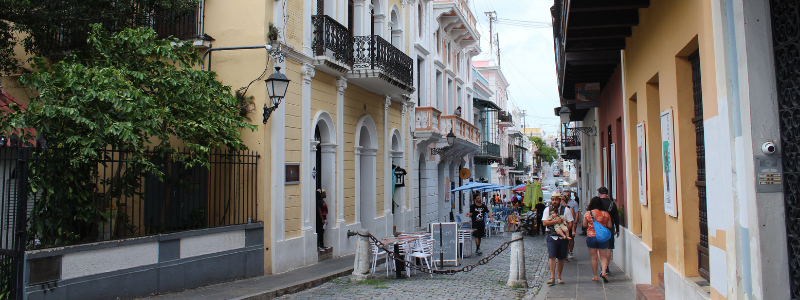
Probably the best tourist attraction in San Juan, Old Town San Juan is a UNESCO world cultural heritage site. Viejo San Juan showcases 500 years of architecture and history. It hosts historic forts and traditional Spanish colonial architecture. The Old Town contains hundreds of beautifully restored colonial buildings, many of which house restaurants, shops, museums, and hotels. You can explore the whole area on foot, which makes for a great half-day walking tour.

San Juan Cemetery

The San Juan Cemetery consistently ranks among the most beautiful cemeteries in the world. The cemetery lies along the coast, right next to the famous fort El Morro, and has elaborate tombstones and statues. The centerpiece of the cemetery is a chapel with a red dome. The chapel is dedicated to Mary Magdalene. It is certainly a worthy stop for anybody sightseeing in San Juan.

things to do in san juan

El Morro

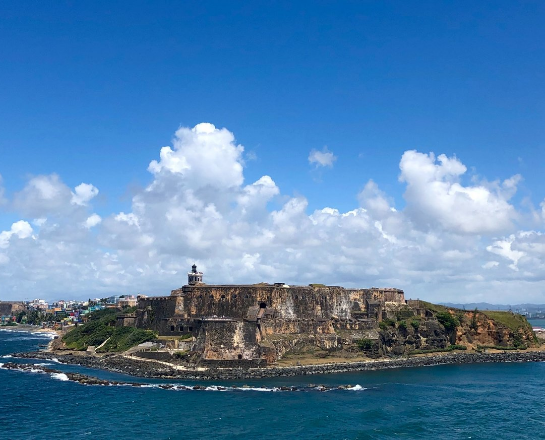
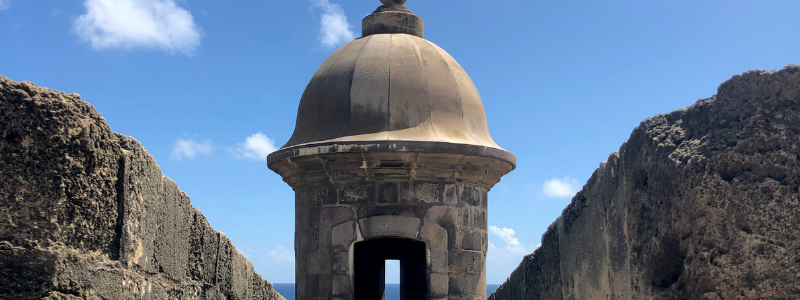
El Morro is the name of the fort that has protected San Juan for hundreds of years. It was built in 1539 and has been continuously expanded and renovated for the following 200-300 years. El Morro is a National Historic Site and a UNESCO world heritage site, and both the fort itself and the lawn approaching the fort offer incredible views of the ocean and the city of San Juan.

Fort San Cristobal

Although El Morro is the more famous fort, you can’t miss San Cristobal. San Cristobal is not only a bigger fort but is actually the largest Spanish fort in the New World. It was built in the 17th and 18th centuries, and unlike El Morro, which was designed to protect San Juan from naval attacks, Fort San Cristobal was designed to protect San Juan from land attacks.

Museo De Las Americas

The Museo De Las Americas, located in Old San Juan, is a great way to learn about the history of Puerto Rico. The museum focuses on the art, ethnic groups, and colonization of the country, and is a great stop before you embark on any other cultural experiences.

Condado and Ocean Park Beach

The Condado district was developed as Puerto Rico’s first tourist district in the 1950s. Condado offers many different hotels and accommodations at every price point. The white-sand beach here is beautiful, soft, and very popular.

where to go in san juan puerto rico

Advertising in San Juan with bMedia

With so many tourists visiting, San Juan is a great place to advertise your business. Additionally, since the weather is warm and mild year-round, San Juan lends itself very nicely to outdoor advertising. bMedia has consistently been Puerto Rico’s Premier Outdoor Advertising Company, with hundreds of billboards island-wide.

bMedia leverages technology and advanced analytics to optimize billboard location and design, providing your company with an extremely high return on investment. If you’re interested in advertising in Puerto Rico, contact us today.

Outdoor Activities in Puerto Rico

The small Caribbean island of Puerto Rico boasts picture-perfect beaches, lively nightlife, and vibrant local culture. The people are friendly, the beaches are beautiful, and the list of outdoor activities in Puerto Rico is endless. You can decide to dwell in nature or choose to explore the island’s urban centers. Either way, there is a guaranteed adventure for everyone.

Puerto Rico offers a diverse list of unique destinations and activities, so it’s no surprise that it’s considered one of the best vacation spots in the Caribbean. From the deep rainforests to San Juan’s urban gems, you’ll never run out of things to see and do on the island. Here are some outdoor activities in Puerto Rico for you to enjoy.

outdoor activities in puerto rico

Some of the types of places you can explore in Puerto Rico include, but are not limited to:

  • Tropical rainforests and jungles
  • Pristine beaches
  • Open water
  • Mountains
  • Caves
  • Historic urban sites

Tropical Rainforests and Jungles

Puerto Rico is not just white sand and blue waters. In fact, the island is covered by tropical wilderness that offers some of the most exquisite trails and views. 

El Yunque National Rain Forest, which is managed by the U.S. Forest Service, is approximately 45 minutes outside of San Juan. This rainforest is the perfect destination for a hike. You might even encounter some of the rainforests’ wild inhabitants such as tropical birds, green lizards, and slimy frogs during your adventure. The island’s jungles also host beautiful bike trails, with lots of single tracks, downhill trails, and of course, some of the best views Puerto Rico has to offer.

If you’re looking for something more daring, try ziplining through various parks across the island. “The Monster,” one of the longest ziplines in the world at Toro Verde Adventure Park, is 2.5 kilometers long and 843 feet high. There’s nothing more thrilling than flying superman style above the tropical jungle. 

Beach and Water Activities

Puerto Rico has over 270 miles of sandy beaches. These beaches welcome visitors all year round. The gorgeous beaches in Puerto Rico offer picture-perfect views and exciting water adventures.

The island’s beaches are consistently selected as some of the best beaches in the world, and you’ll know why the moment you step afoot the island.

The coral coastline is home to some of the best water experiences in the Caribbean. Whether it’s swimming or surfing, sailing or scuba diving, Puerto Rico offers an impressive list of watersports and activities. You can scuba dive in Isla de Mona or surf the waves at Aguadilla Beach. Either way, all of Puerto Rico’s beaches are ready for you to kick back and relax. 

puerto-rico-adventures

Caves and Mountains

The natural mountainscapes and caves of Puerto Rico offer visitors the chance to partake in outdoor activities such as spelunking, rock climbing, or rafting. Canon de Tanama, a picturesque network of waterfalls, caverns, canyons, and limestone cliffs is one of the most recognizable caves on the island. It’s also a great place for rock-climbing, caving, and tubing

You can also overlook the Rio Grande de Arecibo and the beautiful green mountains at Cueva Ventana (Window Cave). The window-like opening gives this cave its name, and the views are nothing short of spectacular. It’s arguably the most “Instagrammable” location in Puerto Rico. 

During your adventure, make sure to keep an eye out for authentic Taino petroglyphs that have been preserved for centuries. You can even choose to pay a visit to some of the cave’s animal residents, like bats! 

Explore Old San Juan

A great way to spend time outdoors is to explore old San Juan and feel the historic charm. In this part of San Juan, visitors will find some of the oldest and most carefully preserved architectural structures in the world. Walk the cobblestone streets and eat some of the best street food Puerto Rico has to offer. Not only will you get some great food, you will also be supporting local businesses.

You can even choose to stop at some of the area’s famous colonial landmarks, including Castillo San Felipe del Morro, known as ‘El Morro’ to locals. This citadel was built by the Spaniards in the 16th century and was designed to protect the island’s coast. Another notable landmark is the Castillo San Cristobal which covers over 27 acres and is the setting of many Puerto Rican cultural and historical stories.

City Life

San Juan, the capital of Puerto Rico, is where many visitors stay on the island. The city provides an abundance of activities, dining, and entertainment. However, it’s the locals that make the city so vibrant and exciting. So make sure you spend some time in some of San Juan’s coolest neighborhoods.

The Santurce barrio is the place to be if you want to immerse yourself in local art and culture. The neighborhood showcases the island’s vibrant culture through hip dining spots, colorful street art, museums, and art galleries. Later in the day, you’ll also find crowds at La Placita de Santurce for drinks and dancing in the streets, so don’t forget your dancing shoes!

The Condado barrio is considered the most cosmopolitan area of San Juan and gives off a Miami vibe. This area is perfect for shopping, dining, or relaxing on the oceanfront. A popular activity in Condado is to kayak or paddleboard through the Condado Lagoon while on a clear-bottom kayak decorated with LED lights.

things to do in puerto rico

Be Where The People Are

Because there are so many outdoor activities in Puerto Rico, this presents the opportunity for your brand to present itself where the people are. People are spending more and more time outside their homes and we’re seeing the island welcome back visitors and tourists. Being visible through outdoor advertising will ensure your brand becomes visible and familiar to a large audience.

The business opportunities are rapidly growing in Puerto Rico, and American businesses are taking note. The island draws global visitors and in 2019 earned about give and a half billion US dollars. OOH (Out-of-home) Advertising is one of the best ways to promote your business in Puerto Rico, not only are the locals moving around and about, the visitors are too!

bMedia Advertising Experts

No matter what industry your business is in, bMedia can help you reach your target audience and increase the ROI of your marketing campaign. We are the island’s leader in outdoor media. Our advertising professionals are ready to maximize the effectiveness of your next OOH advertising campaign. 

With bMedia, the possibilities are endless. Contact us today.

How To Design A Billboard

So, you’ve set aside a budget for OOH (out-of-home) advertising, but you’re not quite sure how to design a billboard. Where do you start? What do you say?

Once you know who your audience is and what consumption habits they might have, you can choose the next step to create a captivating design and engaging content. Deciding what to say is a big part of it, however, how you say it is even more important. Bringing the ad to life so that your audience reads and retains the message is crucial. bMedia has narrowed it down to 5 key things to focus on when designing a billboard.

Simplicity Is Key

We’ve all heard the saying, “less is more.” When designing for moving targets, aiming for that is key for a successful ad. Try to make the message short and sweet. A good rule of thumb to go by when it comes to how to design a billboard is to use no more than seven words. Make your billboard contain only the essence of what you want your audience to retain.

A billboard that has one main message, with seven words or less, is much easier to read and absorb. While a billboard that has more text or content might contain useful information, no one has time to read the entire thing and there’s not a focal point. It’s an information overload, especially for someone who’s quickly passing by the billboard.

billboard design simple

Consider Location & Season

This one is product specific. Meaning, after you choose the main point you would like to convey to your audience, consider where and when it will be most impactful. Is location relevant, and does the season timely to your message.

Make Use Of Space & Time

Ads are everywhere, meaning you are competing for the attention of the audience. They can be walking down the street, on the go in their car, or looking out a window in the office. Thinking about what your audience is doing will ensure they are able to capture the message. Maybe the message is portrayed with an image, which can be worth a thousand words. Images have the ability to make instant emotional connections.

This goes back to our first tip – less is indeed more.

billboard design

The Three Cs

What are the three c’s you ask? Color, contrast, and creativity. A combination of these will help crank up the volume (or down, depending on the message).

Color

This will help evoke emotion. Choosing the right colors helps you send the correct message.

  • Reds: love, hate, passion, and anger
  • Blues: cool, flowy, calm, and relaxed
  • Purples: status, royalty, and wealth
  • Orange: excited, happy, energy, and vitality
  • Yellow: hope, summer, and warmth
  • Green: nature, health, luck, and finances

Contrast

Color plays a key role, but contrast rules our perception. Contrast, or opposing shades, is what will truly grab the attention. It helps organize the design and establish a hierarchy. The contrast in your design hints at what is most important by signaling what to focus on most. The text on our website stands out from the contrasting background, to bring your focus and attention to what we deem most important. It helps things stand out and really make an expression. There are several different ways to apply contrast to the design of your billboard:

  • Size – contrasting sizes will have the design stand out more. Don’t go crazy here, though, too many different sizes can confuse your audience.
  • Shape – contrasting shapes will have the eye focus on the one shape that doesn’t look like the others. Use this to your advantage.
  • Color – See above
  • Texture – A background texture brings depth to the foreground, therefore creating more contrast between the two. Texture also complements your message.
  • Position/alignment – The rule of thirds in photography can be applied here, or the use of empty space.
  • Saturation – Going back to color, having black and white and then a splash of color really helps your design and message stand out.
  • Space – Consider space with your message, as space can help your message stand out. Especially in a minimalistic design.

Creativity

Now, combining both color and contrast in a balanced way is tricky – that’s where creativity comes in. Too much contrast can be confusing and too little color can be boring. There is no magic formula, however, there is a process to help ensure you use both correctly.


creative billboard

Typography

If you do use words, make sure they look good. The three main things to focus on are:

  • Font
  • Kerning
  • Size

If you are going to put words on a billboard, its purpose is that your audience actually reads the message (not for decoration). Using a legible font like Sans-Serif will make the message easier to read. Placing the text is just as important, giving each word its place and purpose. Finally, size – don’t be afraid to go big if it is important. Not only does it make your wording more legible, but it also gives people more time to see what you are trying to say.

prada billboard example

Billboard Experts

If you’re trying to establish a presence in Puerto Rico, bMedia has the expertise, professionalism, and locations necessary. They work hand-in-hand with seasoned experts to create stunning billboards. While creating innovative designs, they focus on what you actually need. That means putting in work on the details and ensuring high-quality aesthetics. If you’re still unsure how to design a billboard, bMedia can always give further guidance.